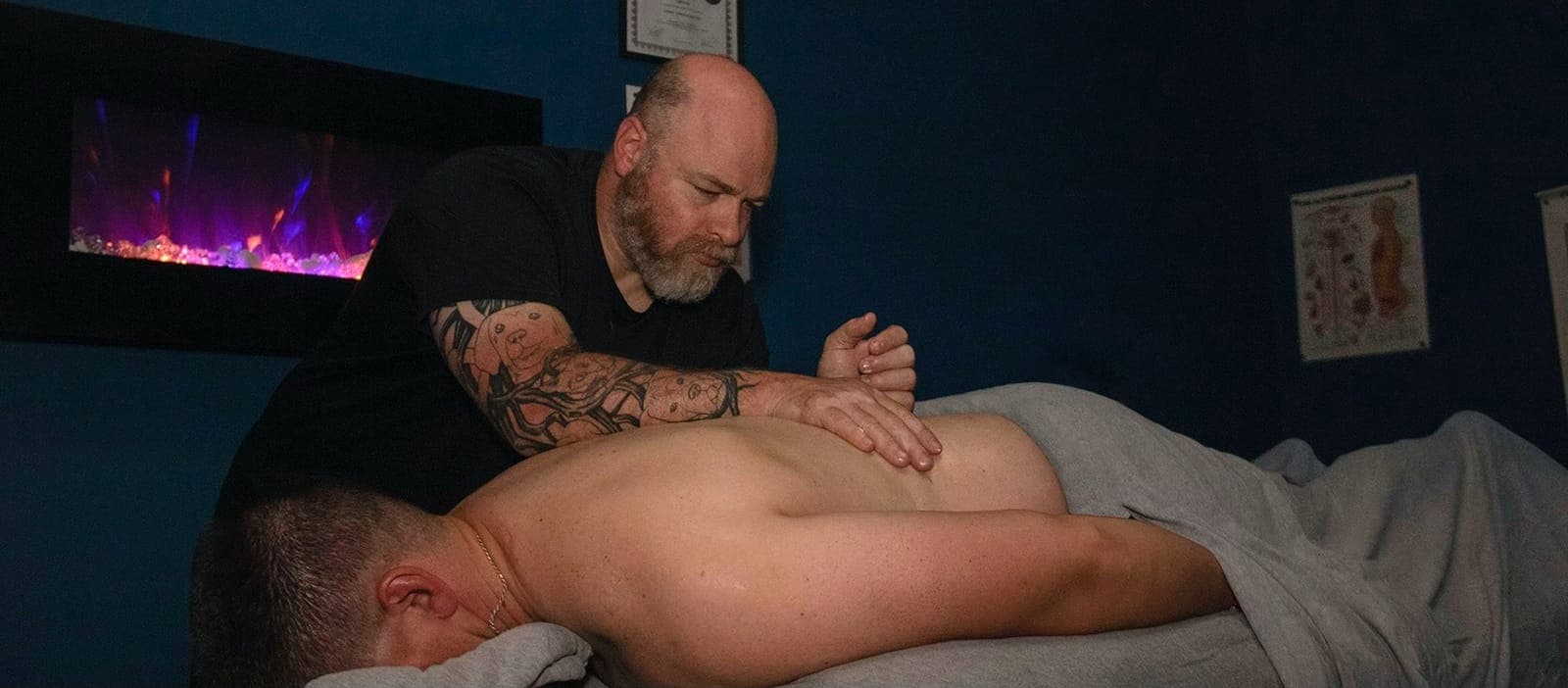
Massage for backs that feel tight, overworked, or stuck.
Work, training, driving, or long days on your feet can leave your back feeling restricted. Chris focuses on the muscles and movement you can describe.
- 24
- years of hands-on experience
- 1
- therapist, from start to finish
- $60
- starting price for a 30-minute session
Does this sound familiar?
- 1Tight low back muscles after work or training
- 2Upper back and shoulder blade tension
- 3Backs that feel stiff after sitting or driving
- 4Clients who want focused muscle work instead of generic relaxation
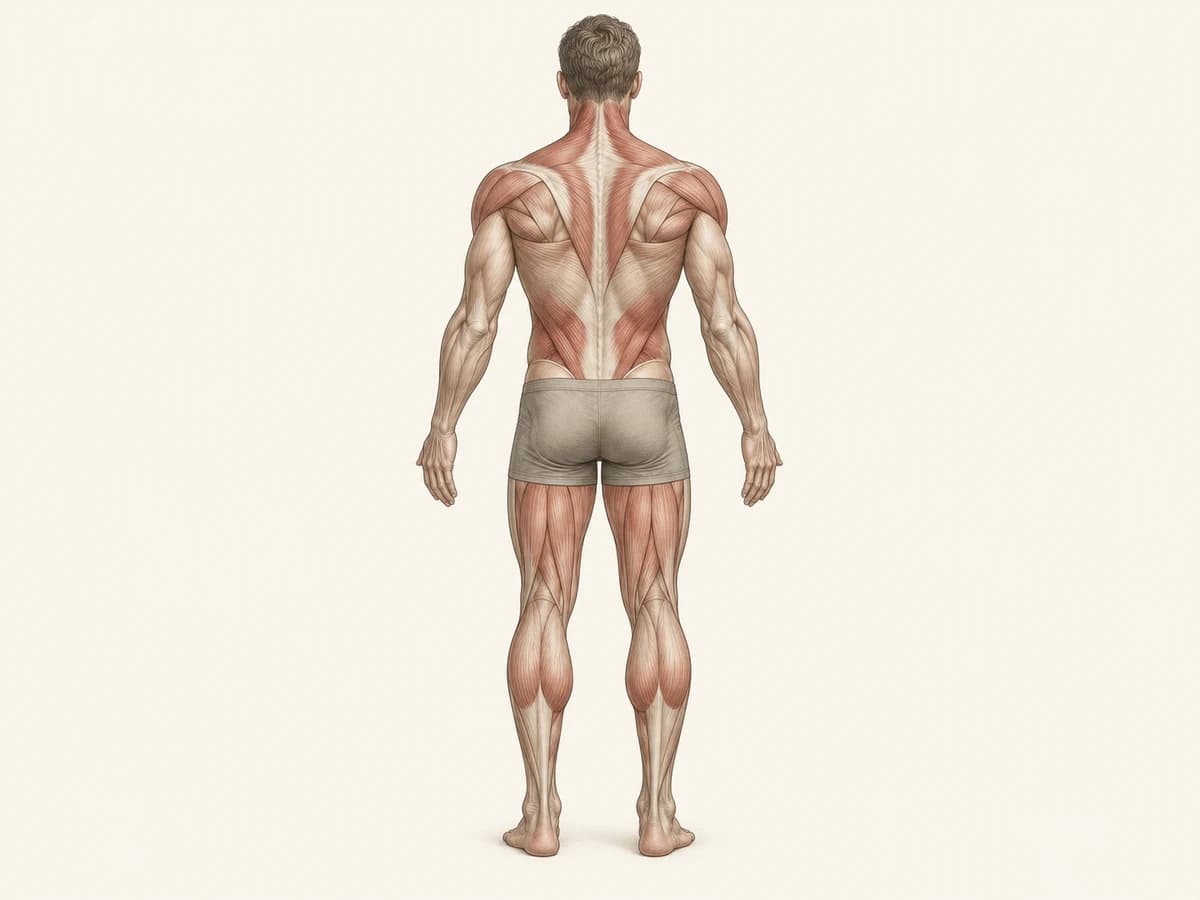
Look beyond the sore spot.
Chris might work the back directly while also checking connected areas like hips, glutes, hamstrings, shoulders, and neck. The aim is easier movement and less muscle guarding, without pretending massage replaces medical care.
- Daily muscle tightness from physical labor
- Desk, driver, or standing-work posture overload
- Training soreness or limited range of motion
- Chronic tension patterns that need regular maintenance
Seek medical care for severe, sudden, radiating, numbness, weakness, fever, injury, loss of bladder or bowel control, unexplained weight loss, or symptoms that feel alarming. Massage is for muscle-focused support, not emergency or diagnostic care.
Relief you can feel in your day.
When your back makes work, training, or everyday movement uncomfortable, feeling and functioning better is a meaningful goal. Research supports massage as one option for chronic low-back pain.
Chris works with what you feel and how you move, checking connected areas such as hips, glutes, and shoulders. He adjusts the techniques and pressure around your response.
Book focused time with Chris ↗- +Better everyday functionIn a randomized trial of 401 adults with chronic low-back pain, both structural and relaxation massage improved back-related function compared with usual care at 10 weeks.
- +Less bothersome back painBoth massage groups also reported less symptom bothersomeness. The study measured how people felt and functioned, outcomes that matter beyond the treatment table.
The trial studied 10 weekly massage visits in adults with nonspecific chronic low-back pain. It didn't test MMI's approach or establish what a single visit will achieve. Your results and the care you need can differ.
Cherkin et al., Annals of Internal Medicine, 2011 ↗Choose your time. See your price.
You don't need an assessment or a program to book a massage. See all session options.
A clear plan for your visit.
- 01
Tell Chris what matters
Your activities, the areas that feel restricted, and what you'd like from this visit.
- 02
Work at your pace
Chris chooses the techniques and checks in about pressure. You can ask him to adjust at any time.
- 03
Decide your next step
Book another session when you need one, or discuss an assessment if you'd like a recovery program.
01Booking basics
- Can massage fix back pain?
- Massage can support tight and overworked muscles, but it doesn't diagnose or cure back conditions.
- Will Chris only work on my back?
- Not always. Hips, glutes, hamstrings, shoulders, and neck can all contribute to how your back feels.
- When should I avoid booking?
- Avoid massage and seek medical care for severe, sudden, radiating, numbness, weakness, injury-related, or red-flag symptoms.
- Do I need an assessment to book a back-focused session?
- No. You can book a single deep tissue session directly. The assessment is the starting point if you'd like to explore a structured recovery program.
02In the room
- Can I ask Chris to adjust the pressure?
- Yes. Tell him how the pressure feels as he works. You can ask for lighter pressure at any point, and you don't have to brace through a session.
- What should I share about my work or training?
- Tell Chris which activities leave you tight, which movements feel restricted, and what you'd like from the visit. Standing, lifting, sitting, driving, and training all give him context for your priorities.
03Planning your next visit
- Can I keep booking single sessions?
- Yes. You don't have to join a program to return. If you'd like a defined plan for recurring tension, ask Chris about an assessment and the program options before deciding.
Programs that address recurring back tension.
If back tension keeps returning, these programs connect the work to lifting, physical jobs, or the movement you want to keep.
Real clients. Individual stories.
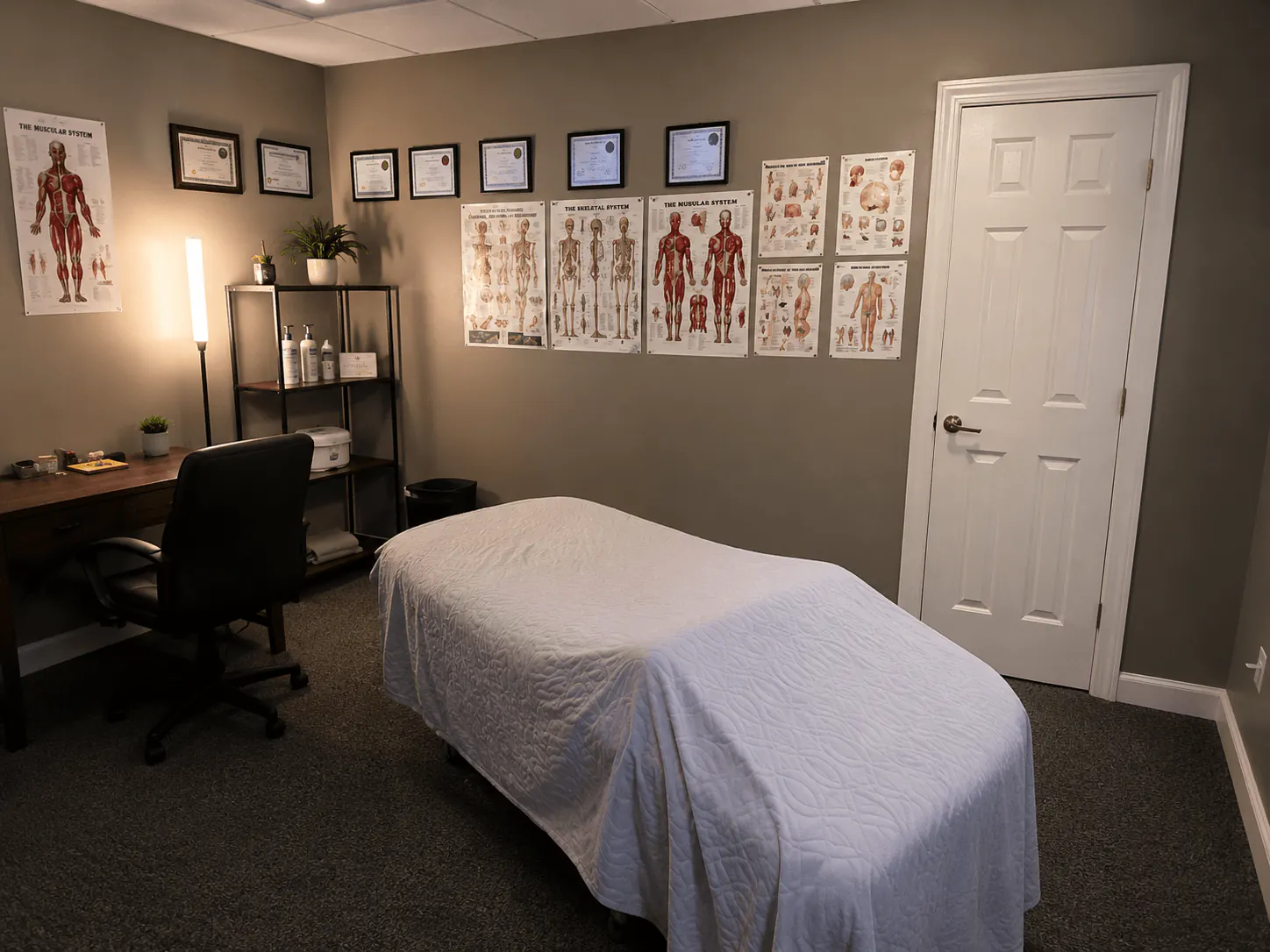
One studio. One therapist.
1201 NW Briarcliff Pkwy, Suite 221, Kansas City, MO 64116Visits are by appointment only. Call Chris if you need help finding Suite 221.
Open directions ↗