
How it works

No guesswork. No endless punch card.

One assessment. A defined plan. A finish line you can feel.

The short version

Four stages. One direction.

The assessment

One visit to find what's actually driving the problem — before anyone commits to anything.

Your plan

A defined set of visits with a clear goal. You'll know the endpoint before we start.

The work

Focused hands-on visits, plus small between-visit pieces that make the change hold.

The re-test

Measured against your own starting point. When it holds, the program ends. On purpose.

Inside the first visit

What actually happens in the room.

The first visit is the assessment. Wear comfortable clothes you can move in — that's the only preparation you need.

PHASE 01

The conversation

Your history, your goal, what you've already tried, and what you want back. Chris listens first — the table can wait.

PHASE 02

The movement look

How you actually move: range, restriction, what compensates for what. Here's where "my neck hurts" usually turns into "here's why."

PHASE 03

Hands-on where it's useful

Chris gets hands on the areas that matter — partly to start the work, mostly to confirm what the movement look suggested.

PHASE 04

The straight answer

What he found, which program fits — and what it'll take. If the honest answer is a doctor before a massage therapist, you'll hear that instead. Either way, you leave knowing.

Most new clients start with a 60-minute appointment at the current 60-minute rate. If a shorter or longer visit makes more sense, Chris will say so plainly before you book the next step.

Tools follow the finding

No technique menu. No automatic add-ons.

Hands-on pressure, movement, heat, cups, light, and specialized tools only enter the session when the assessment gives them a job to do.

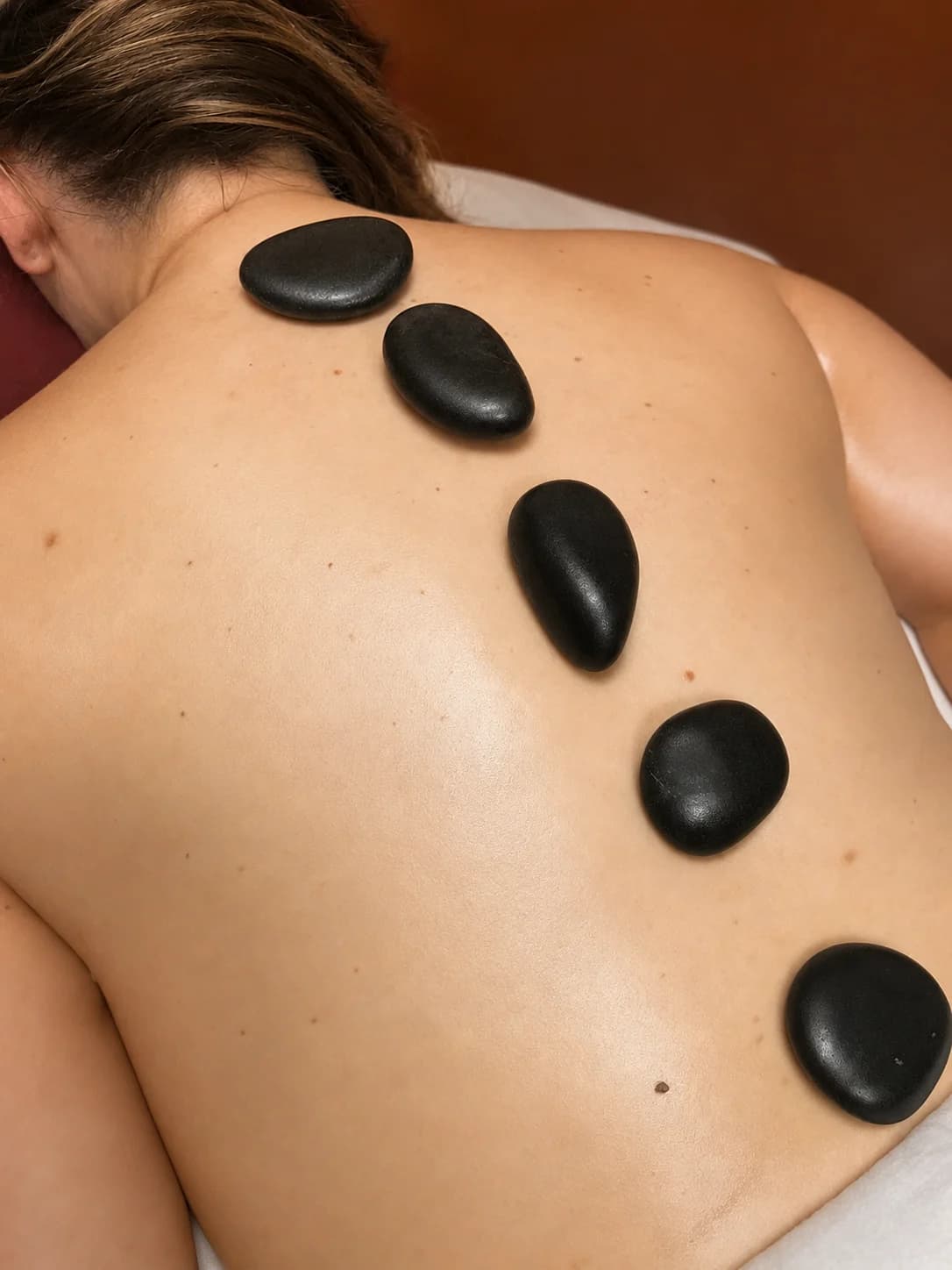
Hot stones placed along a client's back during treatment
Heat applied with a clear purpose
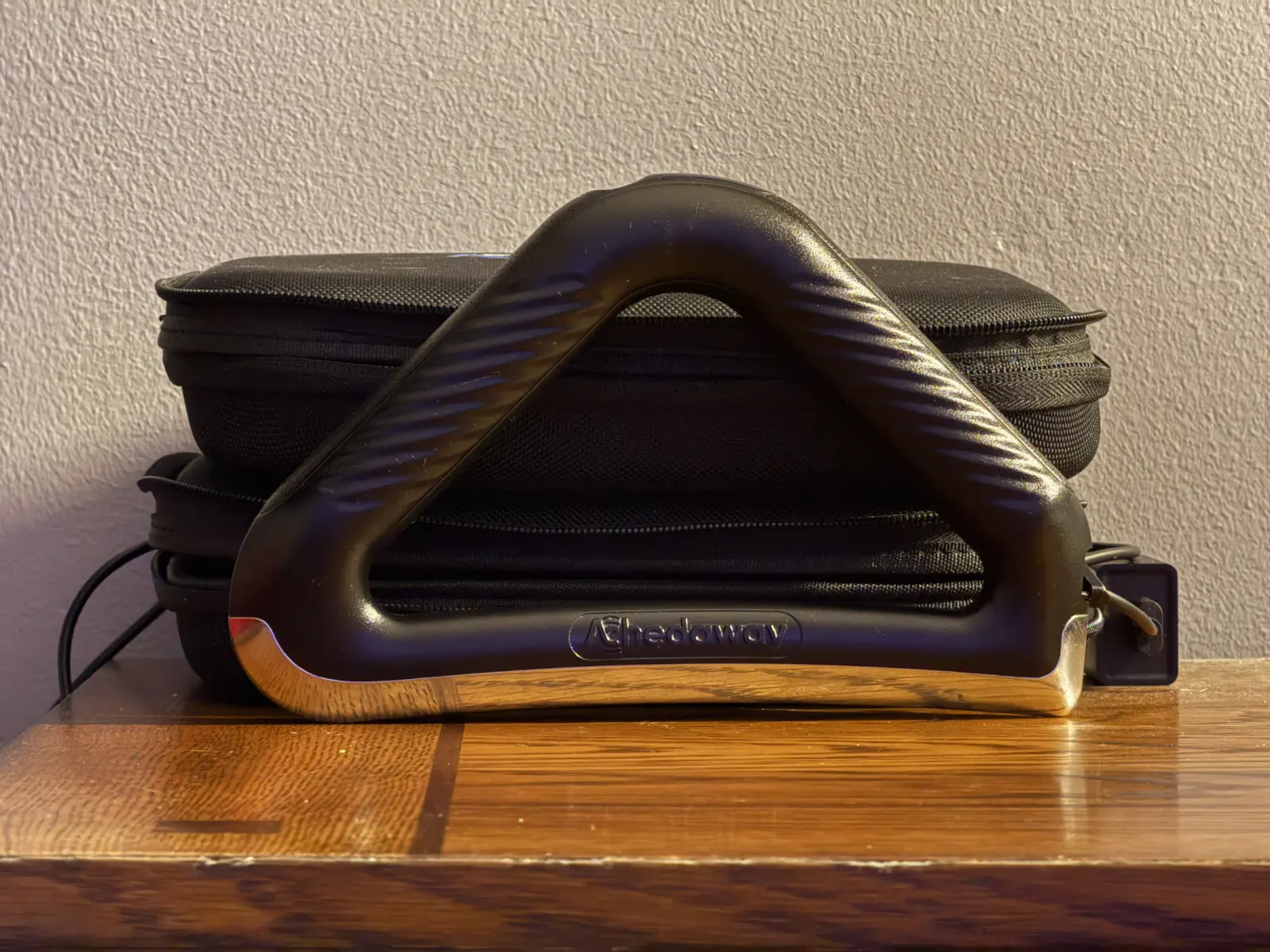
Powered bodywork tool stored with its cases in the MMI treatment room
Powered bodywork
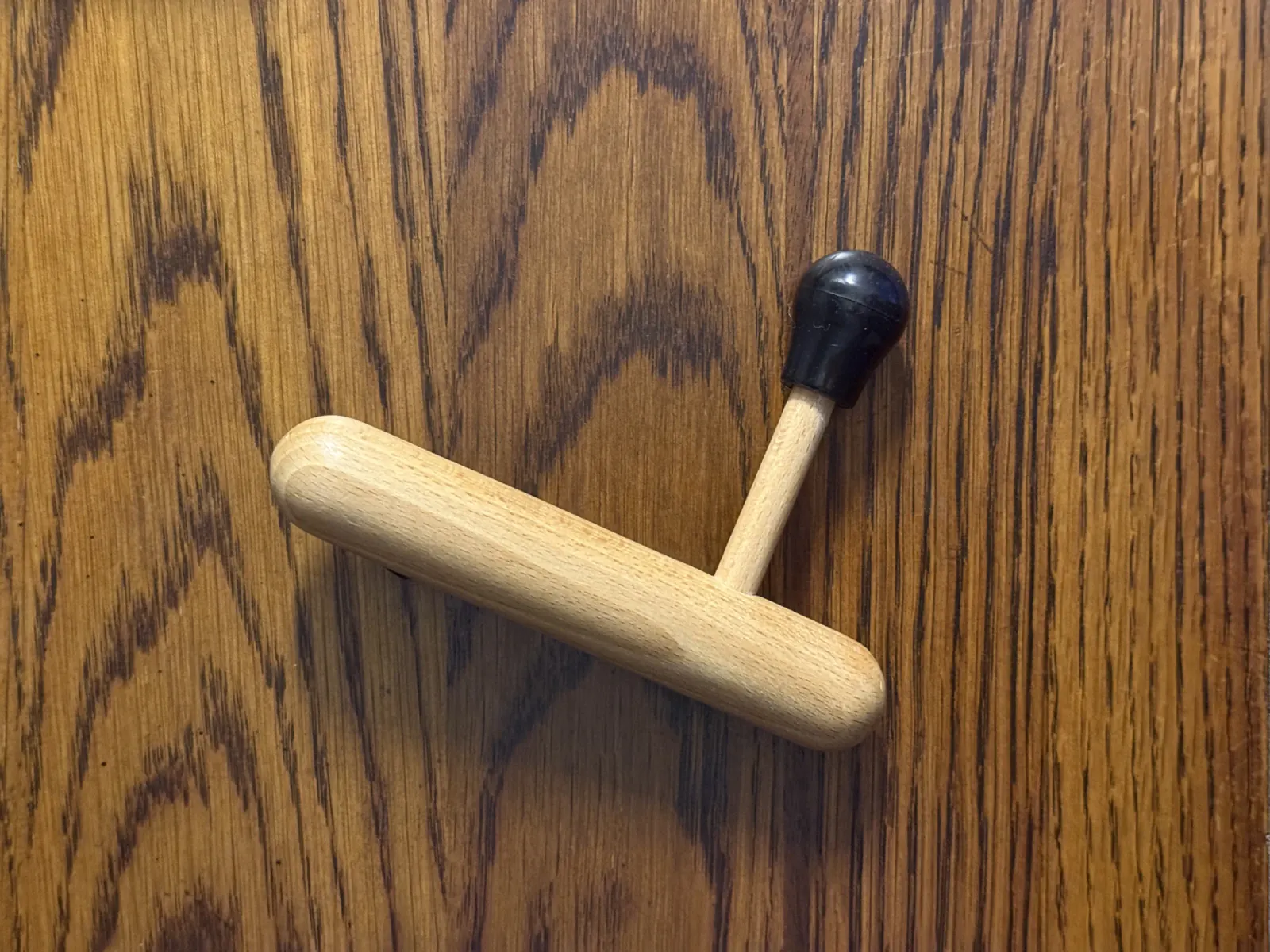
Two wooden pressure tools used for focused bodywork
Wooden pressure tools
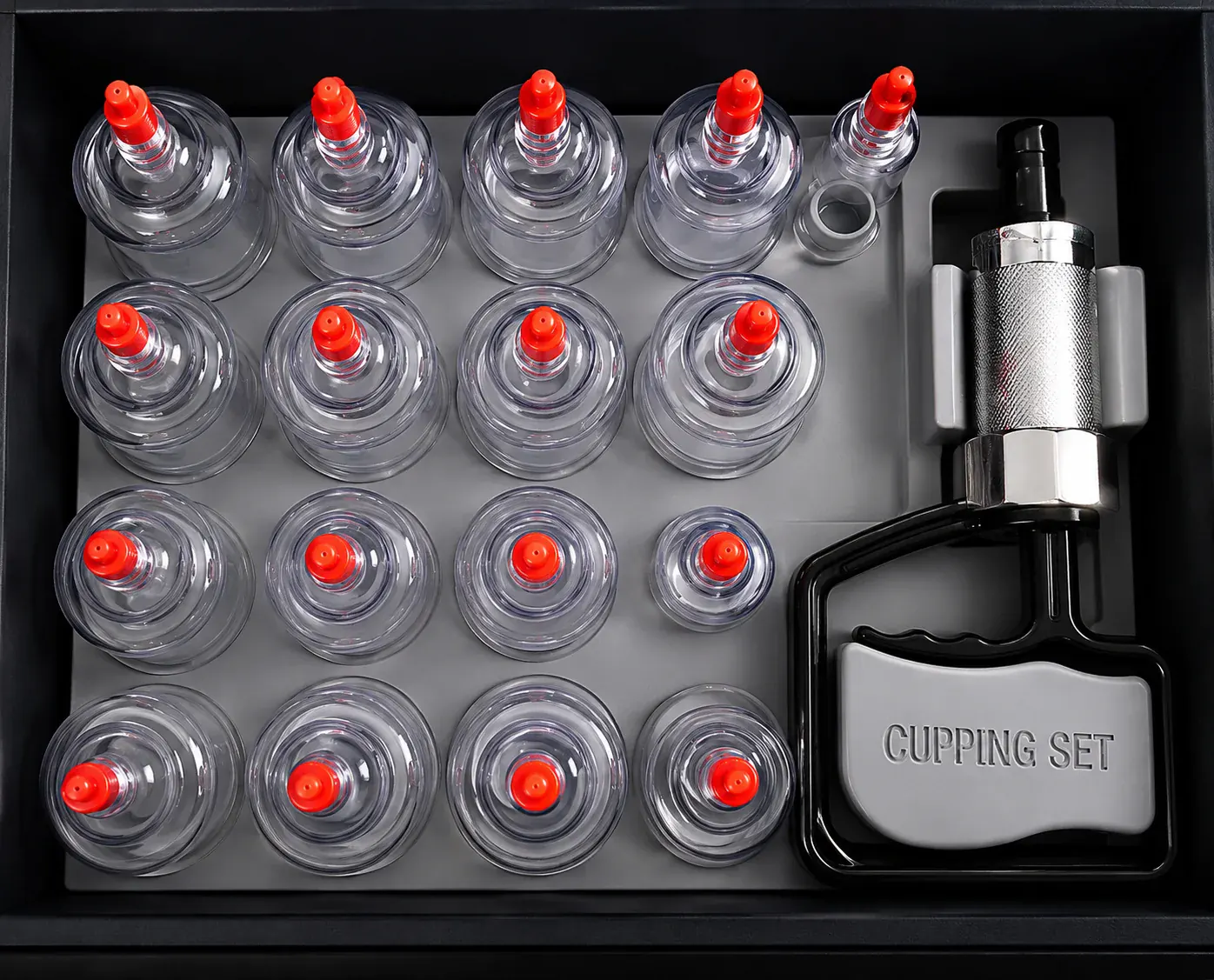
Cupping set used for focused treatment at Muscle Movement and Improvement
Cupping when the work calls for it
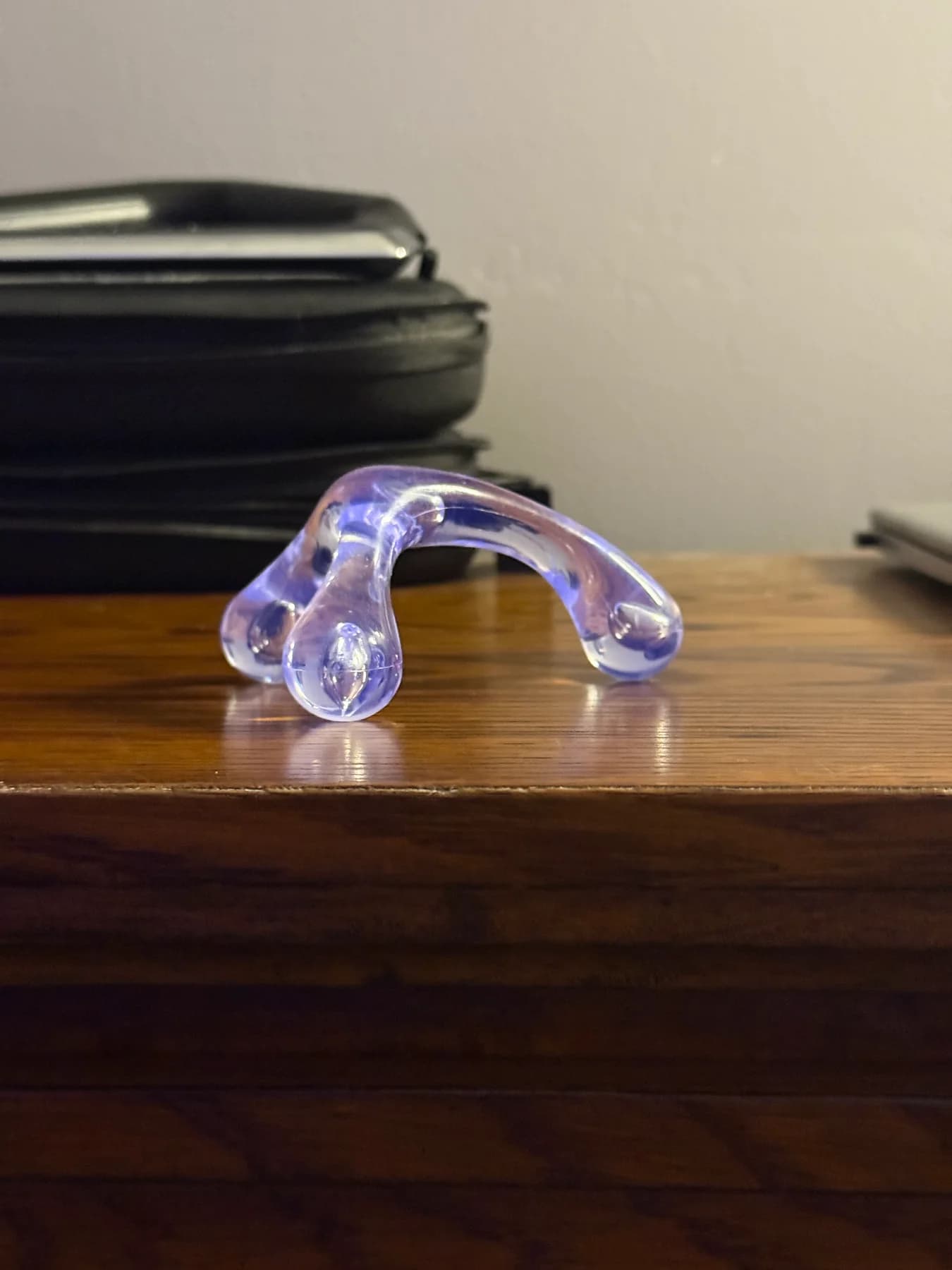
Clear acrylic pressure tool in the Muscle Movement and Improvement treatment room
Focused pressure tool
Client receiving infrared red-light therapy while wearing protective glasses
Infrared red-light therapy
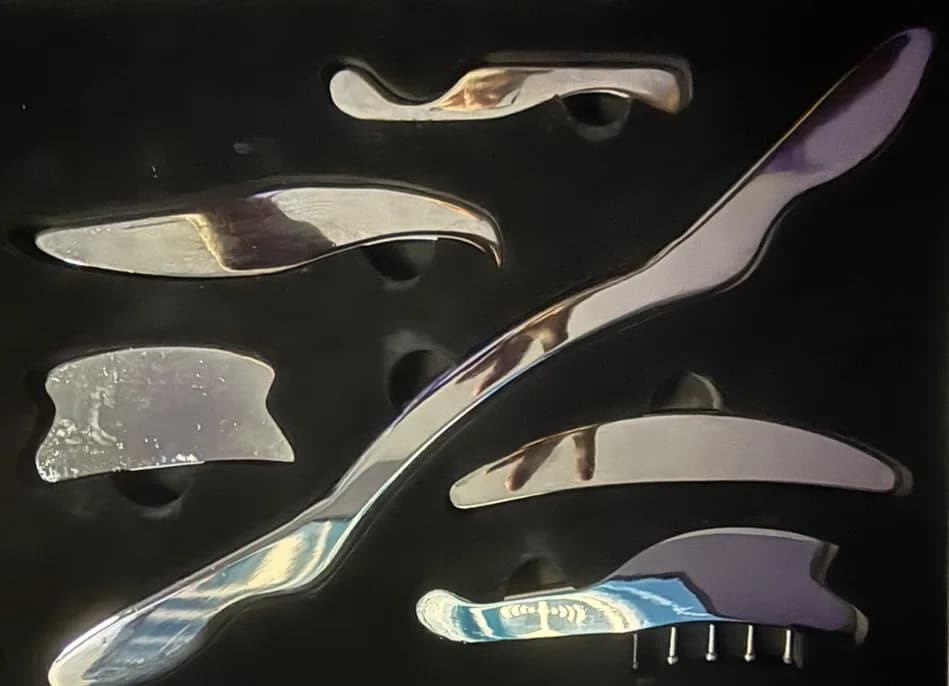
Stainless steel tools used for instrument-assisted soft-tissue work
Instrument-assisted work
Then: your plan

A plan you could explain to a friend.

A defined number of visits

Set at the assessment, based on what Chris found — not on what a package deal needs to be. You know the next step before you commit to it.

A goal you both agreed on

"Turn my head fully." "Finish a tournament weekend." "Mornings without the hobble." Specific enough to test.

Built around your calendar

Work weeks, seasons, tournaments, nap schedules — the plan bends around your life, because a plan you can't keep isn't a plan.

One therapist, start to finish

Chris does the assessment, builds the plan, and does every visit. Nothing gets lost in a handoff, because there isn't one.

Between visits

The part that makes it hold.

Small, not homework-shaped

A couple of minutes of the right thing beats twenty minutes of a routine you'll quit. Chris keeps it honest about what you'll actually do.

Specific to your findings

Not a generic stretch sheet. What you do between visits targets the same cause the table work does.

Adjusted as you go

What you report at each visit shapes the next one. The plan is defined; the work inside it stays alive.

No guilt system

Missed a week? Life happens — say so and the plan adapts. This works with real schedules or it doesn't work at all.

How it ends

Programs end. That's the point.

At the end, Chris re-tests what he measured at the start. If the change holds, the program is over — you keep the result and your calendar back.

If it hasn't fully held, you'll get a straight answer about why and what the options are — not an automatic upsell. And if you're someone whose life keeps writing checks your body cashes (a rugby season, a toddler, a sales territory), some clients choose occasional maintenance visits afterward at standard session rates. That's an option, never an assumption.

Plain terms

What this is — and what it isn't.

This is
This isn't
Structured soft-tissue work toward a defined goal
A spa afternoon — book one of those too, they're great
A plan that ends when the re-test says it worked
A membership designed to never let you leave
Honest triage — including "see a doctor first" when that's true
Medical care, diagnosis, or a substitute for either
One therapist who knows your whole story
A rotating cast reading your file for the first time
Practical questions

The logistics, answered.

Do I need to know which program I want before booking?

No. The assessment sorts that out — plenty of people book it with nothing more than "my neck" or "my heel." If you want to browse first, the twelve programs are on the home page.

What should I wear?

Comfortable clothes you can move in — the assessment involves watching how you move, not just table work. Athletic wear is perfect.

How long is a visit, and what does it cost?

Sessions are 30, 60, or 90 minutes. Current rates are $60, $110, and $140. Most new clients start with 60 minutes; 90 minutes is usually better for multiple areas or deeper recovery work.

What if I need to cancel or reschedule?

Reach out to Chris as soon as you know something needs to move. The schedule is appointment-based, so clear communication keeps the day workable for everyone.

How does payment work?

MMI is a direct-pay practice. Chris doesn't bill insurance or accept HSA/FSA payments, and pricing is shared up front before you choose the next step.

You've seen the whole thing. Start with step one.

One assessment. A straight answer about what's going on and what it would take to fix — then you decide.

Book your assessment