Mobility
Bodywork for people who want to move with less restriction.
Mobility-focused massage can support tissue comfort, range of motion, and better movement habits for active adults, workers, and people who feel locked up.
Start with one movement that matters to you.
A golf turn, an overhead reach, or a comfortable squat is more useful to discuss than a vague goal to loosen everything. Tell Chris what feels limited, when it started, and whether it's painful.
Chris Cox, LMT brings 24 years of experience to your visit at Briarcliff II. You can book a single session directly, with an assessment available if you're considering a recovery program.
A visit built around your situation.
- 01
Choose your movement
Explain the reach, turn, stride, or work position that feels restricted. Mention joint pain, recent injury, or any physical therapy plan.
- 02
Combine useful techniques
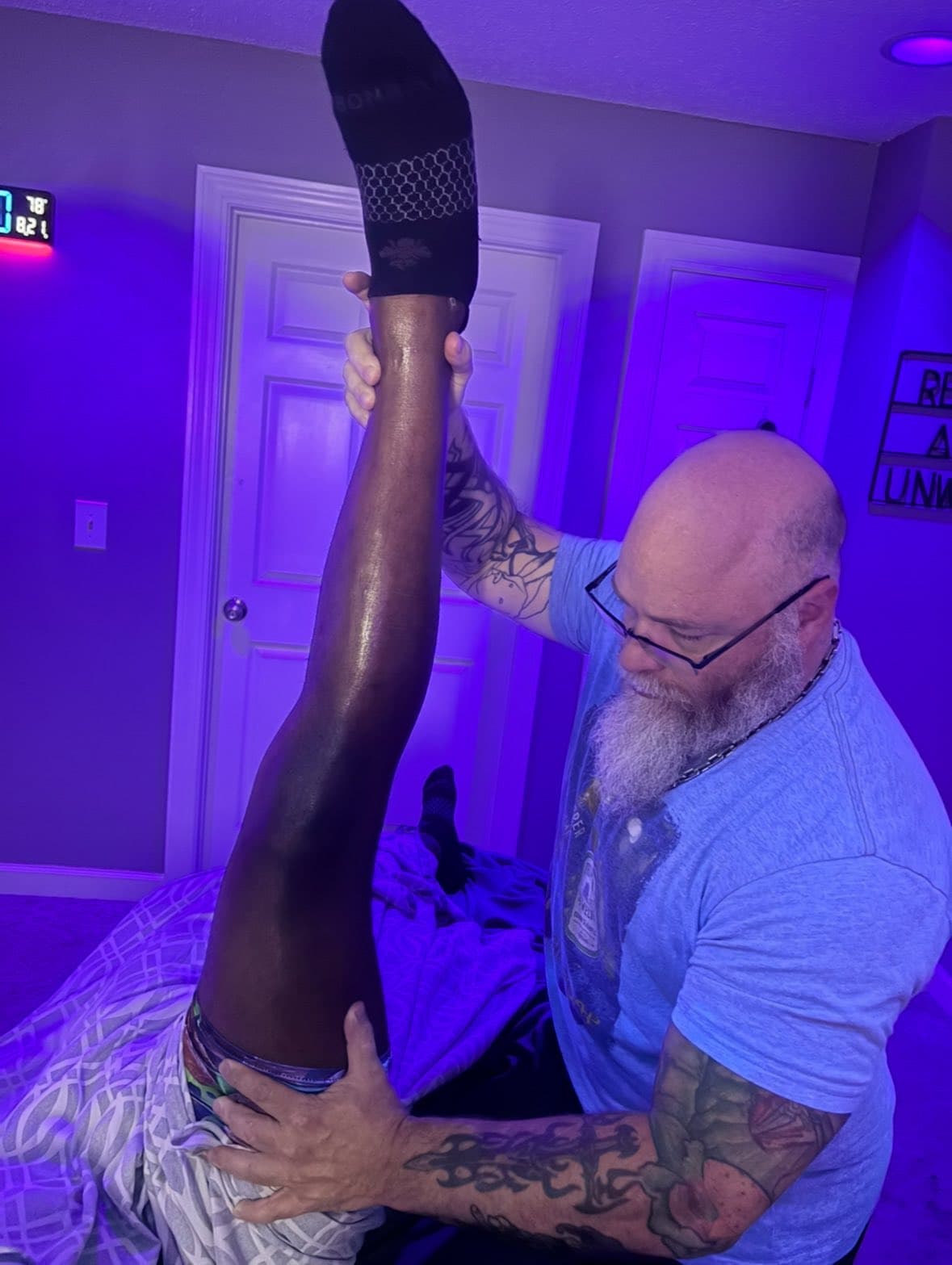
Massage, assisted stretching, and range-of-motion work can be combined when appropriate. You stay involved in the conversation about comfort and pressure.
- 03
Bring feedback back
Pay attention to the movement during ordinary activity after the visit. Share what changed, what didn't, and what you want to focus on next.
Matching options
Programs built around moving with less restriction.
These options match mobility work to active aging, sport, or the rotation and range your activity requires.
Good fit
Who this session is for.
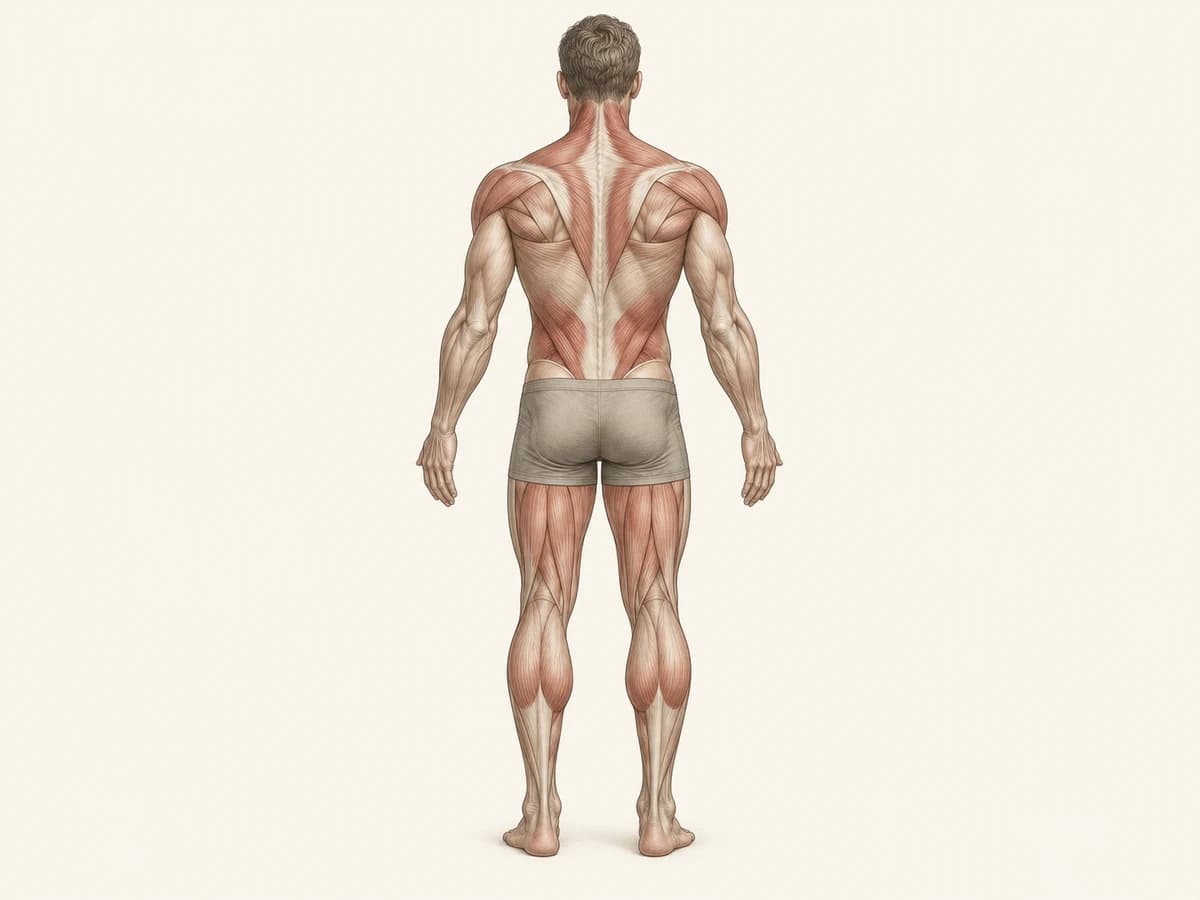
Tight hips, glutes, shoulders, hamstrings, calves, or back
People who feel restricted during training or work
Clients who want stretching or band work included
Maintenance sessions for better movement
Session feel
What the work is like.
Chris might combine massage, assisted range of motion, resistance bands, stretching, Theragun therapy, or other tools. Sessions are practical and focused on the movements that matter to you.
Common reasons people book this
- Squats, hinges, reaches, or rotations feel restricted
- Repeated work positions make muscles feel short and stuck
- You want recovery work between training sessions
- Your body feels better when tissue work and movement are combined
When something else may be better
If a joint is unstable, swollen, recently injured, or sharply painful, get medical or physical therapy guidance before using massage for mobility. Sudden, severe, or radiating symptoms, numbness, or weakness should be seen by a qualified healthcare provider first. Massage is not a substitute for medical care.
Pricing
Book by session length.
30 minutes
$60
Focused work for one or two problem areas.
Best for: Quick tune-ups, neck and shoulder tension, calves, forearms, or a specific issue that doesn't need a full session.
60 minutes
Standard$110
The standard session for full-body work or targeted recovery.
Best for: Regular maintenance, deep tissue work, stress tension, back/neck/shoulder focus, or a balanced session with time to work properly.
90 minutes
$140
More time for layered tension, athletes, manual labor recovery, and deeper full-body work.
Best for: Chronic tightness, multiple problem areas, sports recovery, physically demanding jobs, or anyone who needs more than a surface-level session.
01Planning your visit
- Can massage replace strength or mobility training?
- It doesn't replace exercise or a physical therapy plan. A session can focus on tissue comfort and movement, while your regular activity and any prescribed exercises still matter.
- What if stretching causes sharp joint pain?
- Stop the movement and tell Chris. Sharp pain, swelling, instability, or a recent injury calls for healthcare guidance before pushing the range further.
02Booking basics
- Is this stretching or massage?
- It can be both. Chris chooses tools based on your goals, comfort, and what your body needs that day.
- Can bands be used in the session?
- Yes, resistance training with bands may be included when it fits the session.
- How often should I book?
- It depends on your activity and tension patterns. A lot of clients use regular maintenance sessions.