Tension-headache support
Massage for headaches linked with neck and shoulder tension.
Some headaches arrive alongside tight muscles at the base of the skull, neck, shoulders, or upper back. Chris works on those muscular contributors after you have ruled out symptoms that need medical care.
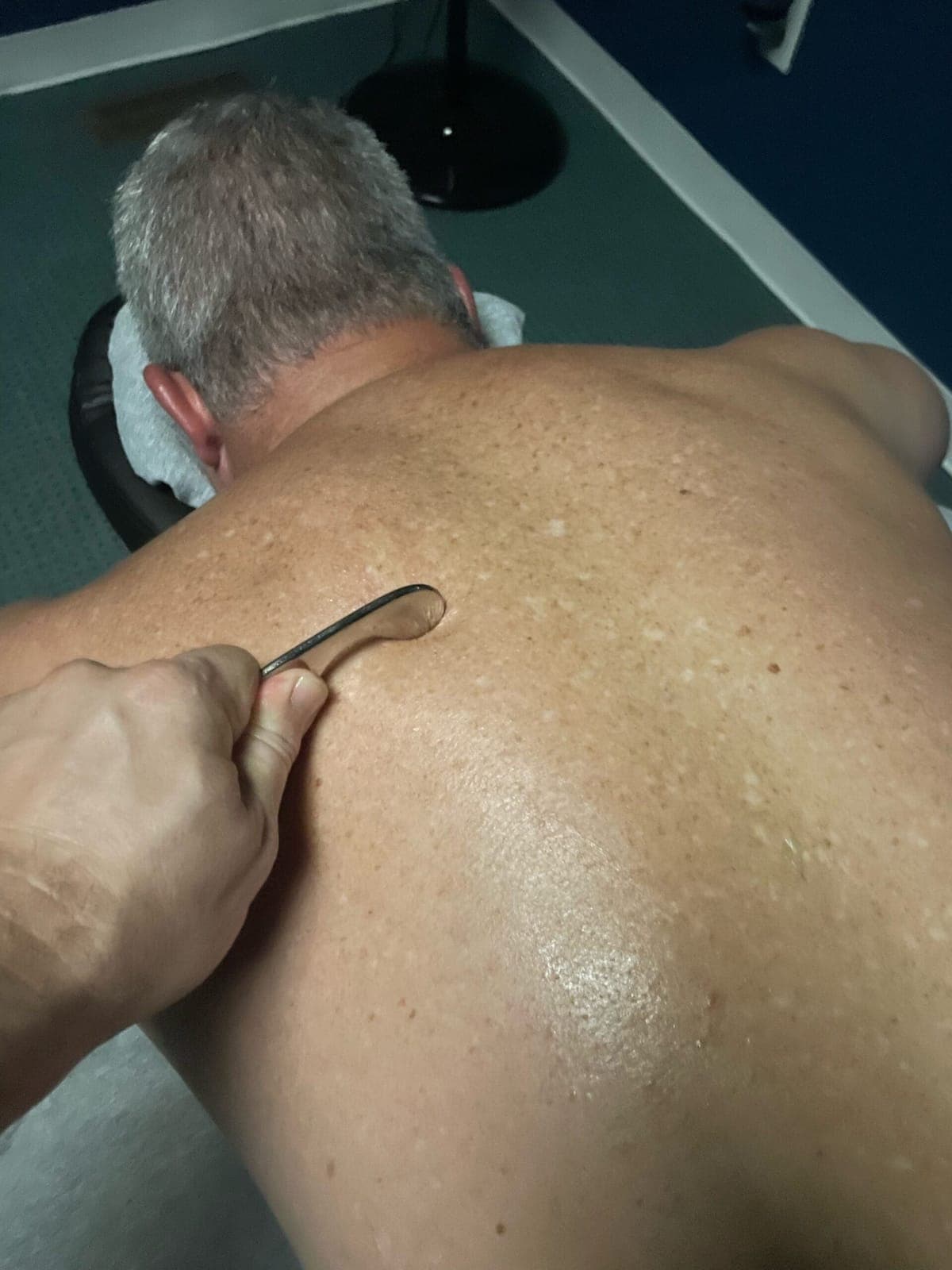
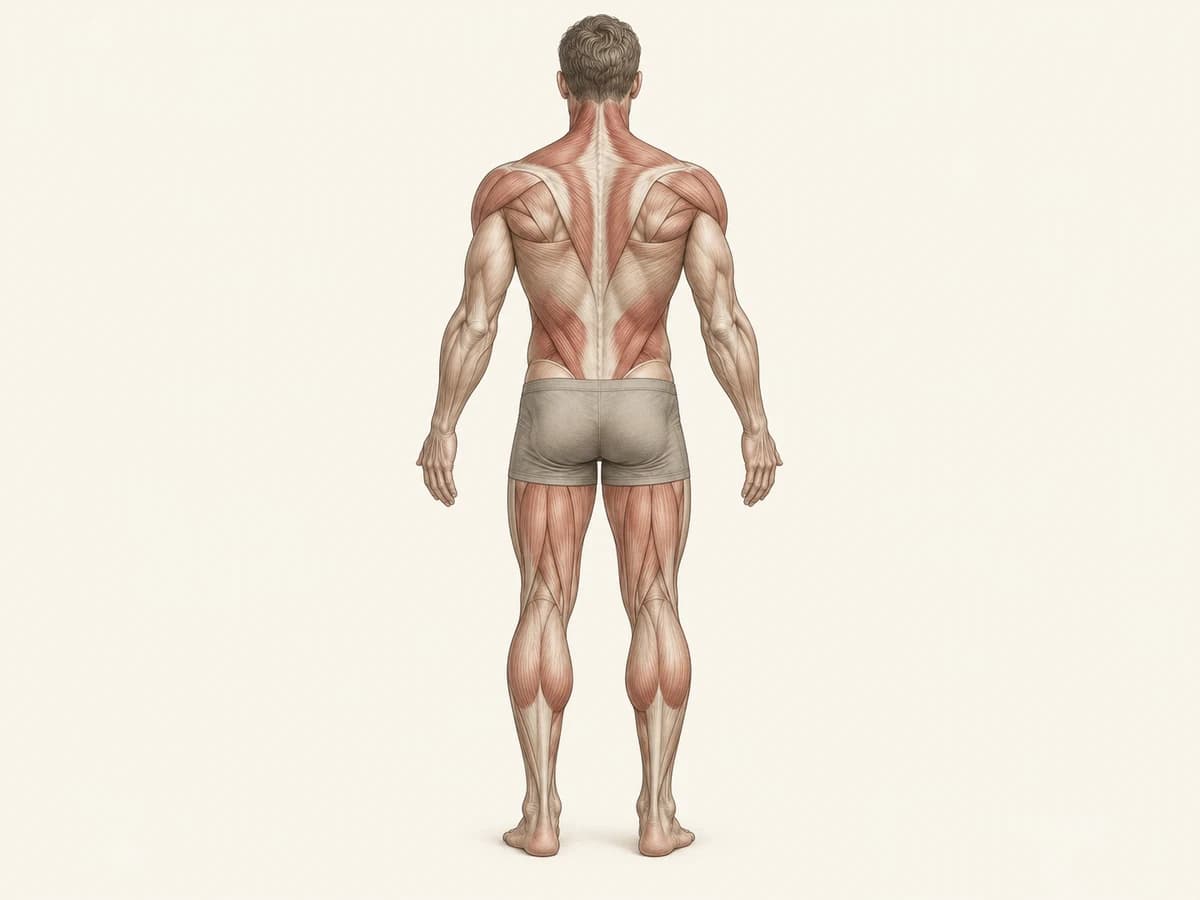
Put neck and shoulder comfort at the center.
If headaches come with familiar neck and shoulder tightness, tell Chris when that tension appears and what your healthcare provider has advised. The visit can focus on those muscles and your comfort.
Chris Cox, LMT brings 24 years of experience to your visit at Briarcliff II. You can book a single session directly, with an assessment available if you're considering a recovery program.
A visit built around your situation.
- 01
Describe the pattern
Share when headaches appear, any recent changes, and medical guidance. New, severe, or unusual headaches need evaluation before massage.
- 02
Focus on muscle tension
Chris can work on the neck, shoulders, upper back, and surrounding areas when appropriate. You can ask for pressure or position changes at any time.
- 03
Track your experience
Notice how the tension feels after the visit and whether your usual activities feel easier. Keep your healthcare provider involved with persistent or changing headaches.
Matching options
Programs for recurring neck, shoulder, and screen-related tension.
These programs connect muscular tension to screen time, work pressure, lifting, and the routines that load the same areas.
Good fit
Who this session is for.
Headaches tend to arrive with neck or shoulder tightness
Screen time, driving, stress, or lifting loads the same muscles
A healthcare provider has cleared massage as an appropriate next step
You want focused work on muscular contributors
Session feel
What the work is like.
Chris asks when the headaches appear and what you notice in the neck and shoulders at the same time. He may assess neck and shoulder movement, then work on muscular contributors around the base of the skull, neck, upper back, shoulders, and chest. Massage may support comfort, but it doesn't replace medical evaluation.
Common reasons people book this
- Neck and shoulder muscles tighten during screen-heavy days
- The base of the skull feels tense after driving or desk work
- Upper-back and chest tension accompany restricted head movement
- A qualified provider has suggested supportive massage or bodywork
When something else may be better
Sudden, severe, unusual, or radiating symptoms, numbness, weakness, dizziness, confusion, vision changes, fever, recent head injury, or a rapidly worsening headache should be seen by a qualified healthcare provider first. Massage is not a substitute for medical care.
Pricing
Book by session length.
30 minutes
$60
Focused work for one or two problem areas.
Best for: Quick tune-ups, neck and shoulder tension, calves, forearms, or a specific issue that doesn't need a full session.
60 minutes
Standard$110
The standard session for full-body work or targeted recovery.
Best for: Regular maintenance, deep tissue work, stress tension, back/neck/shoulder focus, or a balanced session with time to work properly.
90 minutes
$140
More time for layered tension, athletes, manual labor recovery, and deeper full-body work.
Best for: Chronic tightness, multiple problem areas, sports recovery, physically demanding jobs, or anyone who needs more than a surface-level session.
01Planning your visit
- Is this a migraine treatment?
- No. This visit focuses on muscle tension that can accompany headaches. Migraine diagnosis and treatment belong with your healthcare provider.
- Do I need an assessment before a single massage?
- You don't need a program assessment to book a single session. If headaches are new, severe, unusual, or changing, get medical advice before arranging massage.
02Booking basics
- How may massage help with tension headaches?
- Massage may help with tight muscles around the neck, shoulders, upper back, and base of the skull when those areas contribute to how a headache feels.
- What does Chris assess?
- Chris asks about the timing and pattern, checks neck and shoulder movement, and identifies muscular contributors that may be appropriate for massage.
- When should I seek medical care first?
- Seek qualified medical care first for sudden, severe, unusual, radiating, numbness, weakness, injury-related, neurological, or rapidly worsening symptoms.