Sciatica-like tension
Massage for muscular tension that can accompany sciatica-like symptoms.
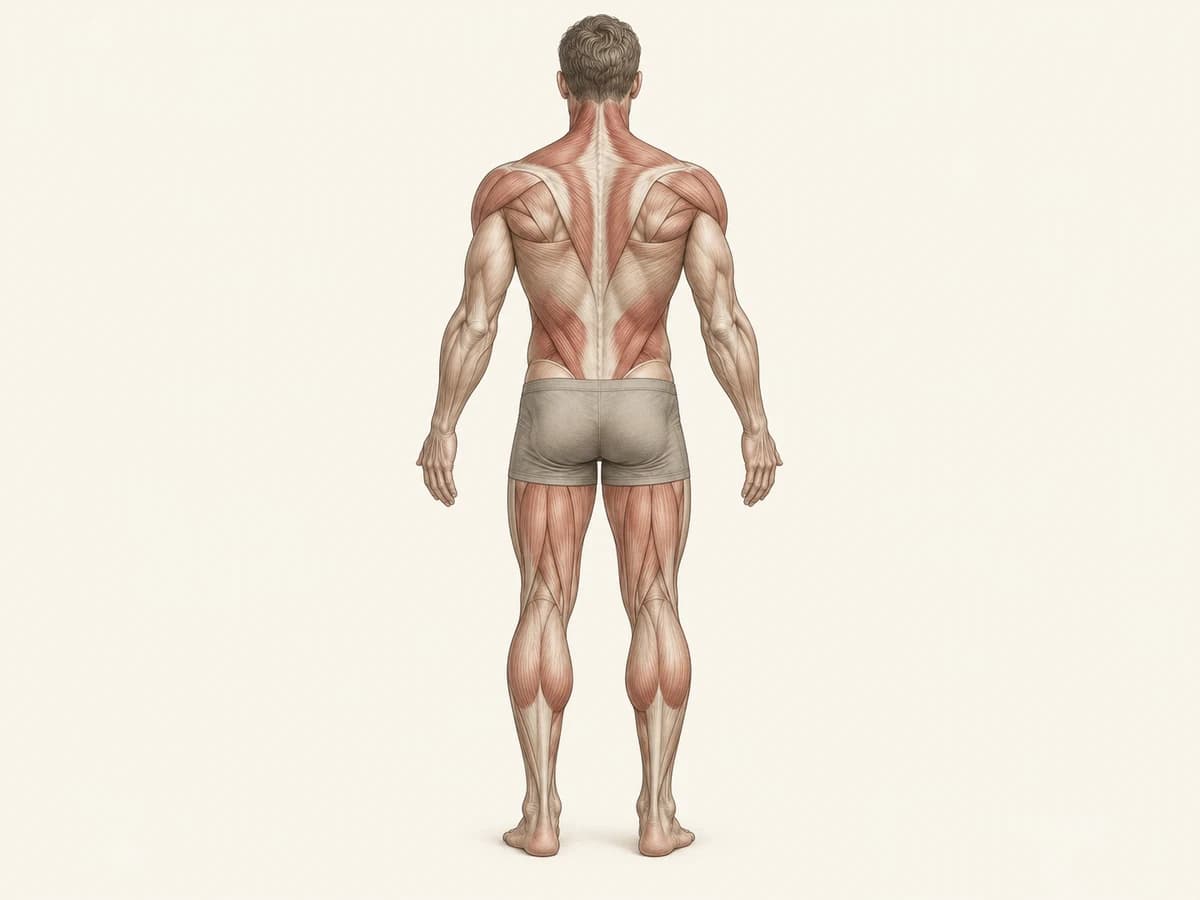
Pain that travels from the low back or hip into the leg can involve more than tight muscles. Once a qualified healthcare provider has assessed concerns that need medical care, Chris can work on muscular contributors around the back, hips, glutes, and legs.
Muscle comfort is one part of the picture.
Describe where discomfort travels, whether sensation has changed, and what your healthcare provider has advised. Those details matter more than calling every tight hip or aching leg sciatica.
Chris Cox, LMT brings 24 years of experience to your visit at Briarcliff II. You can book a single session directly, with an assessment available if you're considering a recovery program.
A visit built around your situation.
- 01
Get the right context
Have new or worsening radiating symptoms assessed before booking. Share the guidance you've received and ask Chris whether massage fits that plan.
- 02
Keep the goal specific
When massage is appropriate, the focus is comfortable soft-tissue work around the back, hips, and legs. Pressure and positioning follow your feedback.
- 03
Watch for changes
Stop and tell Chris if symptoms spread or sensation changes. New bladder or bowel problems, saddle-area numbness, or severe worsening weakness need emergency care.
Matching options
Programs that support recurring back, hip, and leg tension.
The right program depends on where the muscular load comes from, whether that is physical work, training, or the movement you want to maintain.
Good fit
Who this session is for.
A healthcare provider has cleared massage as an appropriate next step
Low back, hip, or glute muscles feel tight or guarded
Sitting, driving, lifting, or training adds muscular tension
You want focused work on muscular contributors, not a medical promise
Session feel
What the work is like.
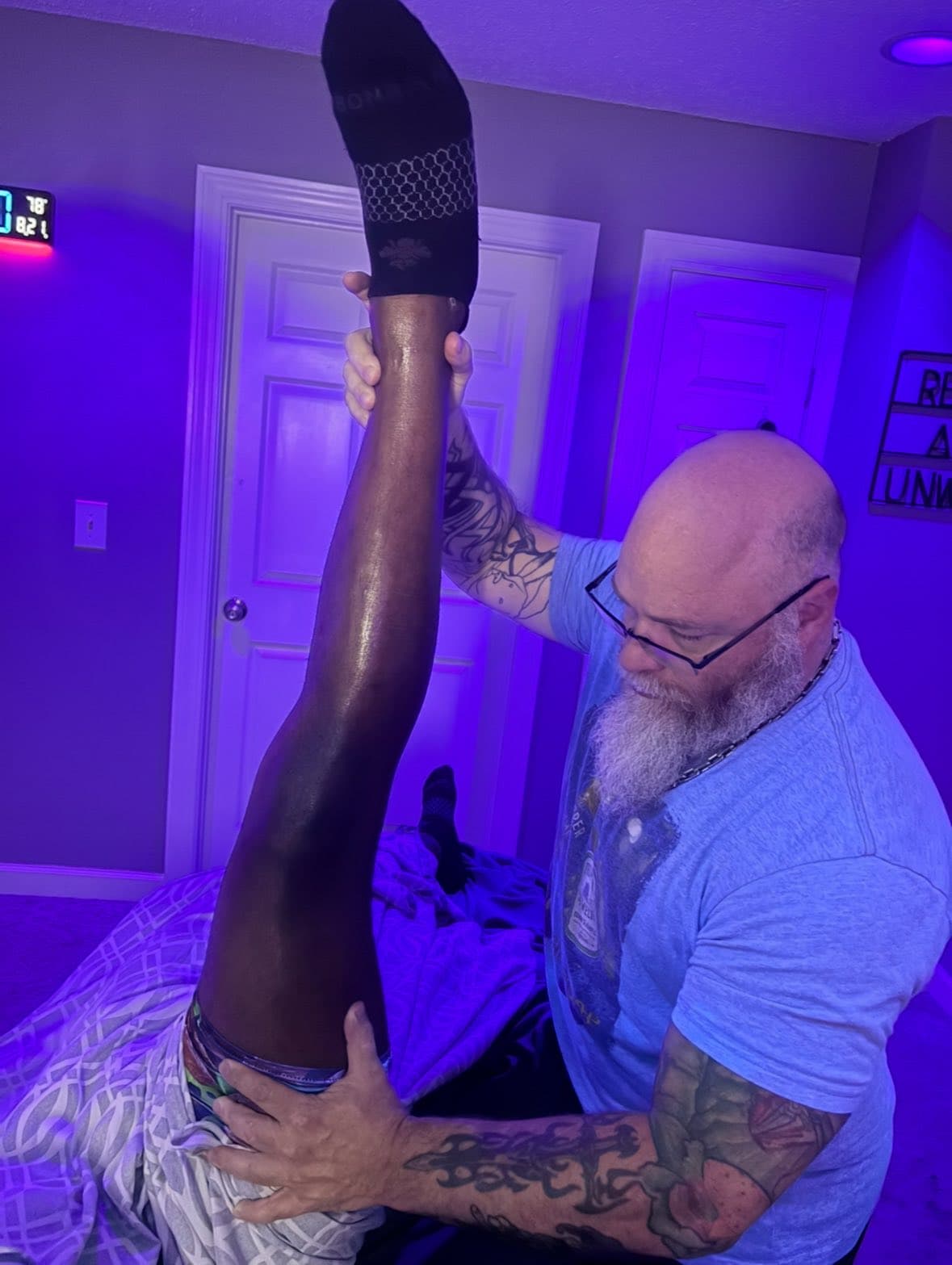
Chris asks where the symptoms appear, what movements change them, and what medical guidance you've already received. He may assess how the back and hips move, then work on muscular contributors such as the low back, glutes, deep hip rotators, and hamstrings. The aim is to support comfort and movement without replacing medical evaluation.
Common reasons people book this
- Low back and hip muscles feel tight after long periods of sitting
- Glute or deep hip tension accompanies leg discomfort
- Physical work or training repeatedly loads the same areas
- A medical provider has recommended supportive massage or bodywork
When something else may be better
Sudden, severe, or radiating symptoms, numbness, weakness, loss of bladder or bowel control, recent injury, or rapidly worsening pain should be seen by a qualified healthcare provider first. Massage is not a substitute for medical care.
Pricing
Book by session length.
30 minutes
$60
Focused work for one or two problem areas.
Best for: Quick tune-ups, neck and shoulder tension, calves, forearms, or a specific issue that doesn't need a full session.
60 minutes
Standard$110
The standard session for full-body work or targeted recovery.
Best for: Regular maintenance, deep tissue work, stress tension, back/neck/shoulder focus, or a balanced session with time to work properly.
90 minutes
$140
More time for layered tension, athletes, manual labor recovery, and deeper full-body work.
Best for: Chronic tightness, multiple problem areas, sports recovery, physically demanding jobs, or anyone who needs more than a surface-level session.
01Planning your visit
- Can Chris diagnose sciatica?
- No. A qualified healthcare provider needs to assess nerve-related symptoms. Chris can discuss soft-tissue work once you know whether massage is appropriate.
- Can I book a single session after getting medical guidance?
- Yes, if massage is appropriate for your situation. You don't have to join a program. Contact Chris first if you've got questions about symptoms or positioning.
02Booking basics
- How may massage help with sciatica-like symptoms?
- Massage may help with tight or guarded muscles around the low back, hips, glutes, and legs. It cannot determine or resolve the medical cause of nerve-related symptoms.
- What does Chris look at during the assessment?
- Chris asks about the symptom pattern and observes how your back and hips move, then identifies muscular areas that may be appropriate for massage.
- When should I speak with a healthcare provider first?
- Get qualified medical guidance first for sudden, severe, radiating, numbness, weakness, injury-related, bladder or bowel, or worsening symptoms.