Sports massage or deep tissue: which should you book?
Choose sports massage when training and event timing are central to the visit. Choose deep tissue when focused attention for tight areas is your main priority. The techniques can overlap, and either appointment should respond to your comfort.
By Chris Cox, LMTPublished

Make the visit fit your week.
- 01
Your training week matters
Sports massage gives Chris context about practices, competition dates, training load, and the movements that feel restricted.
- 02
A tight area needs time
Deep tissue gives you a clear starting point for focused work on the back, shoulders, hips, or legs, with pressure adjusted to your feedback.
- 03
You're unsure
Describe the goal and choose the available time. You can ask Chris which service fits before you book.
Sports massage starts with the demands of your activity.
A lifter between hard training sessions, a runner near a race, and a golfer noticing a restricted turn may all book sports massage. What connects those visits is the activity context. Share what you do, where movement feels limited, and when you need to be ready for the next practice or event.
Sports massage isn't reserved for professional athletes. Recreational sport and regular exercise give the session useful context too. At MMI, Chris can combine massage with stretching and range-of-motion work when appropriate. The visit should reflect your goal, rather than a standard routine every athlete has to tolerate.
Deep tissue focuses attention and adjusts the pressure.
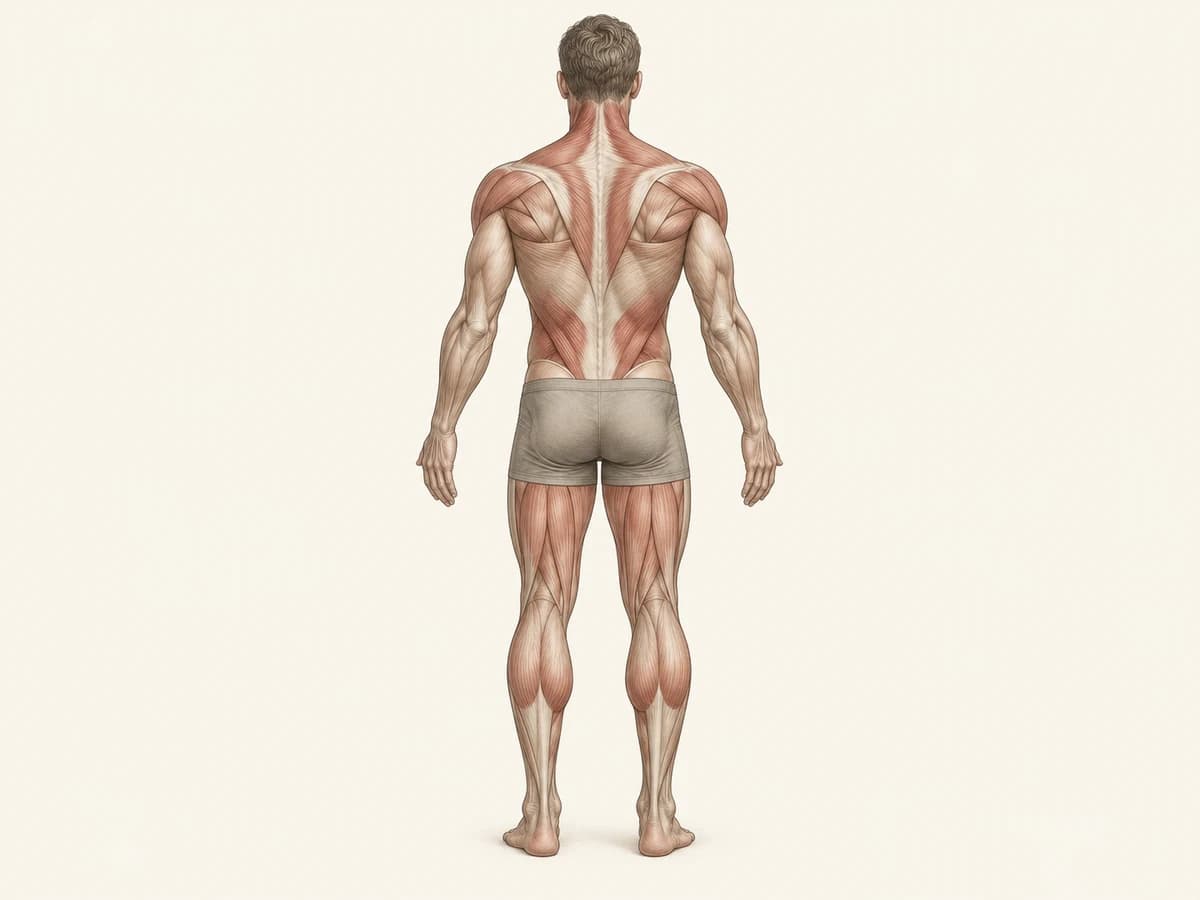
Deep tissue can suit stubborn tightness from desk work, driving, physical labor, or training. Tell Chris which areas feel dense or restricted and what you want to feel more comfortable doing. A session can give those priorities more time without making the deepest possible pressure the goal.
Speak up if pressure feels sharp, excessive, or difficult to tolerate. A useful session involves feedback and adjustments. The National Center for Complementary and Integrative Health describes massage as soft-tissue manipulation and notes that vigorous work can carry risks, particularly for people with relevant health conditions. Share those conditions and any medical guidance before the visit.
The labels don't prevent Chris from combining techniques.
Sports massage and deep tissue aren't separate boxes with no overlap. Chris's runner case study includes both, alongside trigger point work, stretching, and movement. That account describes one client's care and reported experience; it doesn't tell you which technique will produce the best result for you.
Choose the service that most closely matches the reason you're booking, then explain your priorities. If several areas need attention, session length may matter more than debating the label. You don't need to join a program to book either service.
Match the time to your priorities.
Sports massage is available for 60 minutes at $110 or 90 minutes at $140. Deep tissue has 30-minute sessions at $60, 60 minutes at $110, and 90 minutes at $140. Shorter time can suit a focused area; longer time leaves room for several priorities. Check the booking options and contact Chris if you're unsure.
A recovery program is a different choice. It starts with a one-hour, $110 assessment that includes 30 minutes of treatment. Chris explains the proposed plan and price before you decide, and the assessment fee is credited toward a program started within 30 days.
01Booking basics
- Is sports massage always deeper than deep tissue?
- No. The service name doesn't set one pressure level. Chris adjusts pressure around your goal, feedback, and what feels appropriate during the visit.
- Can I book sports massage if I'm a recreational athlete?
- Yes. Share your activities, training dates, and restrictions. You don't need to compete professionally or join a recovery program.
- Does deep tissue have to hurt to work?
- No. You can ask Chris to adjust pressure or positioning at any time. Sharp or excessive pain isn't a target to push through.
- Can I ask before choosing a service?
- Yes. Contact Chris with the areas that feel tight and the activities or movements you're working on. He can help you choose an appointment option.