Sports massage before or after a race? Start with your goal.
Before a race, you want a familiar routine and comfortable movement. Afterward, you may want attention for tired, sore muscles. The better time to book depends on your goal, how you respond to massage, and what's happening in your training week.
By Chris Cox, LMTPublished
Make the visit fit your week.
- 01
Before the race
Discuss familiar tightness, event timing, and the kind of work you've responded to well before. A race week isn't the time to assume more pressure is better.
- 02
After the race
Describe soreness, fatigue, and any symptoms that feel different from your usual recovery. The session can focus on comfort with pressure adjusted around your response.
- 03
During training
A less crowded training week gives you room to learn how a session feels before making it part of an important event routine.
Before a race: make timing part of the conversation.
Tell Chris the race distance, date, recent training load, and areas that feel restricted. A runner with familiar calf tightness has a different conversation from someone with a new knee problem. Don't treat a new symptom as routine soreness just because a race is approaching.
There's no universal number of hours or days that makes a massage right for every runner. Your previous response matters. If deep work has left you sore before, bring that up when discussing a visit close to competition. The goal is to fit the session into the routine you've prepared, with pressure you can comfortably tolerate.
After a race: separate recovery goals from injury concerns.
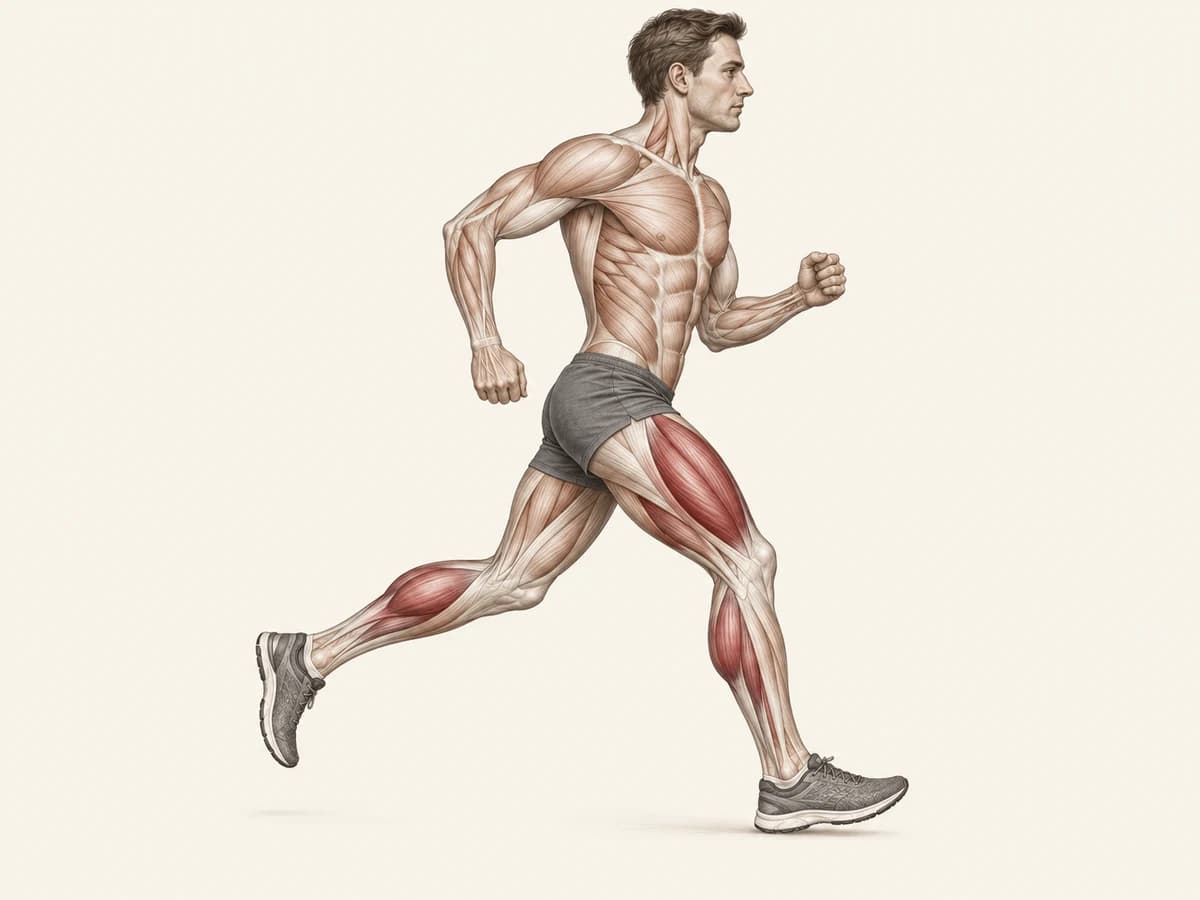
Sore legs after a demanding effort can make gentle movement and ordinary tasks feel harder. Massage can be one part of your recovery routine, alongside the rest, food, hydration, and activity choices that fit your situation. Tell Chris whether you're looking for lower-leg attention, hip comfort, or time for several areas.
Research supports some recovery outcomes, but it doesn't mean massage guarantees your next performance. A 2020 review found modest benefits for flexibility and delayed-onset muscle soreness, without direct improvements in strength, sprinting, endurance, or other performance measures. New severe pain, swelling, weakness, or changed sensation needs healthcare advice before massage.
What to tell Chris when you book.
Bring three details: when you raced or will race, which areas need attention, and how you've felt after previous massage sessions. Mention any injury, surgery, or healthcare guidance too. That gives the appointment a useful purpose without requiring you to choose every technique in advance.
At MMI, you can book a 60-minute sports massage for $110 or 90 minutes for $140. A single visit doesn't require a program assessment. If you're looking for a defined recovery plan, Athlete Recovery starts with an assessment so Chris can discuss the goal, visits, and price before you decide.
01Booking basics
- Should I book sports massage the day before a race?
- Discuss the event date and your previous massage response with Chris. There isn't one timing rule for every runner, and unfamiliar deep work close to a race may not fit your routine.
- Can sports massage make me run faster?
- Don't book with a guaranteed faster time in mind. Research supports modest soreness and flexibility benefits, but the 2020 review didn't find direct performance improvements.
- Do I need a program to book post-race massage?
- No. You can book one sports massage directly. A program assessment is available if you'd like a defined plan beyond a single visit.
- What if my pain feels like an injury?
- Get medical guidance for new severe pain, swelling, weakness, changed sensation, or symptoms that affect how you walk. Share that guidance before deciding whether massage is appropriate.