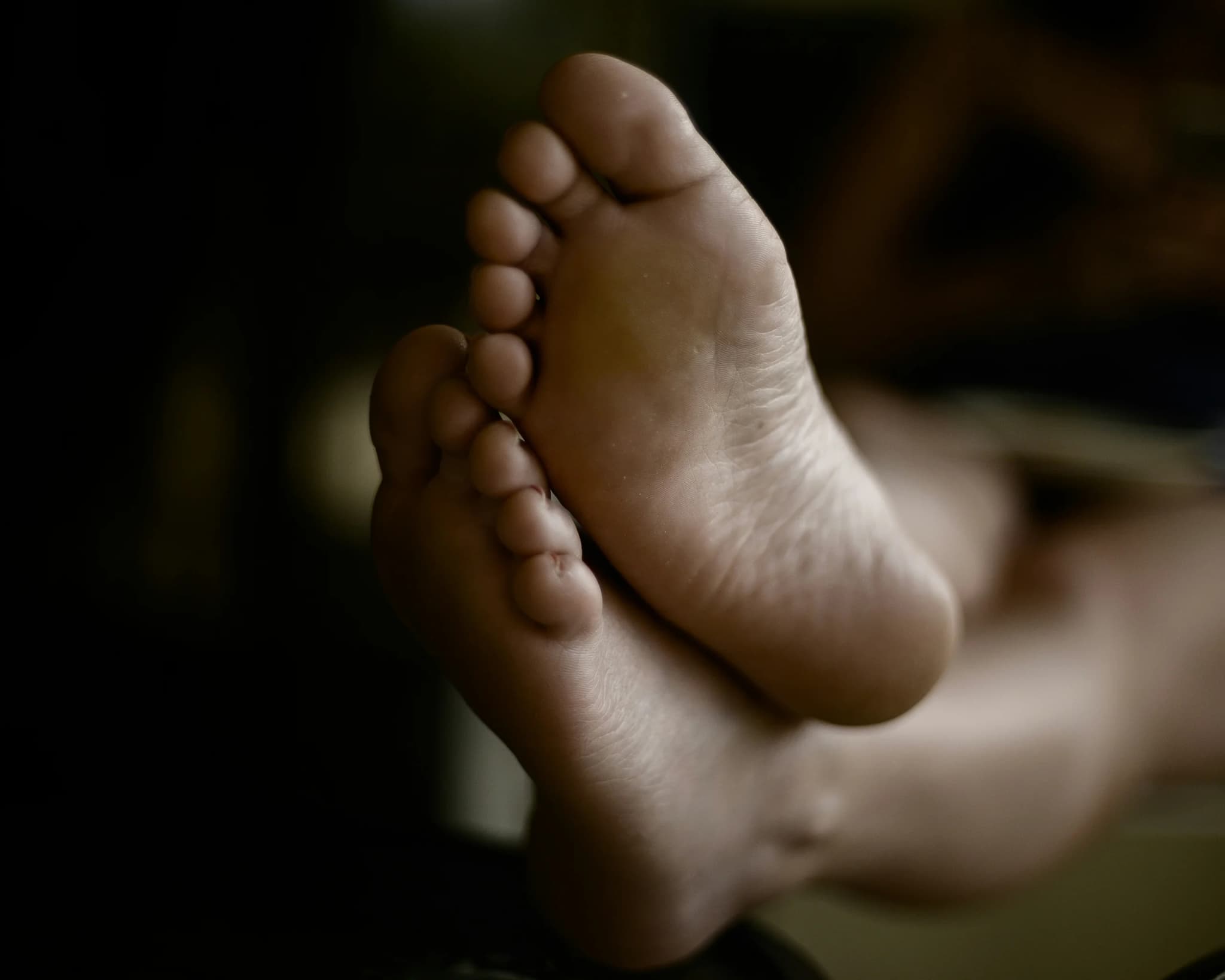
Plantar Fasciitis Support
Make the first steps of the morning the easy ones.
Sound familiar?
You don't need every box. One or two checked hard is enough.
- The first steps out of bed are the worst of the whole day
- Heel pain that comes back after any long sit
- Calves that are always tight no matter how much you stretch
- A long day standing lights it up for the evening
- Rolling a ball under your foot helps, until it doesn't
The program starts by looking at the movement restrictions and muscle tension around what you're feeling.
Assessed, planned, worked, re-tested.
The assessment
A focused intake and movement look, followed by 30 minutes of hands-on treatment. You leave knowing what's restricted, what may be driving it, and what the next step should be.
Your plan
A defined set of visits with a clear goal, built around your schedule and your season. You'll know the endpoint before we start.
The work
Focused hands-on visits plus the small between-visit pieces that help it hold. Chris chooses the tools, so you never have to.
The re-test
We measure against where you started. When the change holds, the program ends. That's the point.
Session rates are the same across programs: $60 for 30 minutes, $110 for 60 minutes, and $140 for 90 minutes. If a package makes sense, Chris will talk through it before you buy.
Where this program spends its time.
Calves - both layers
Tight calves deserve more than a quick pass.
The foot itself
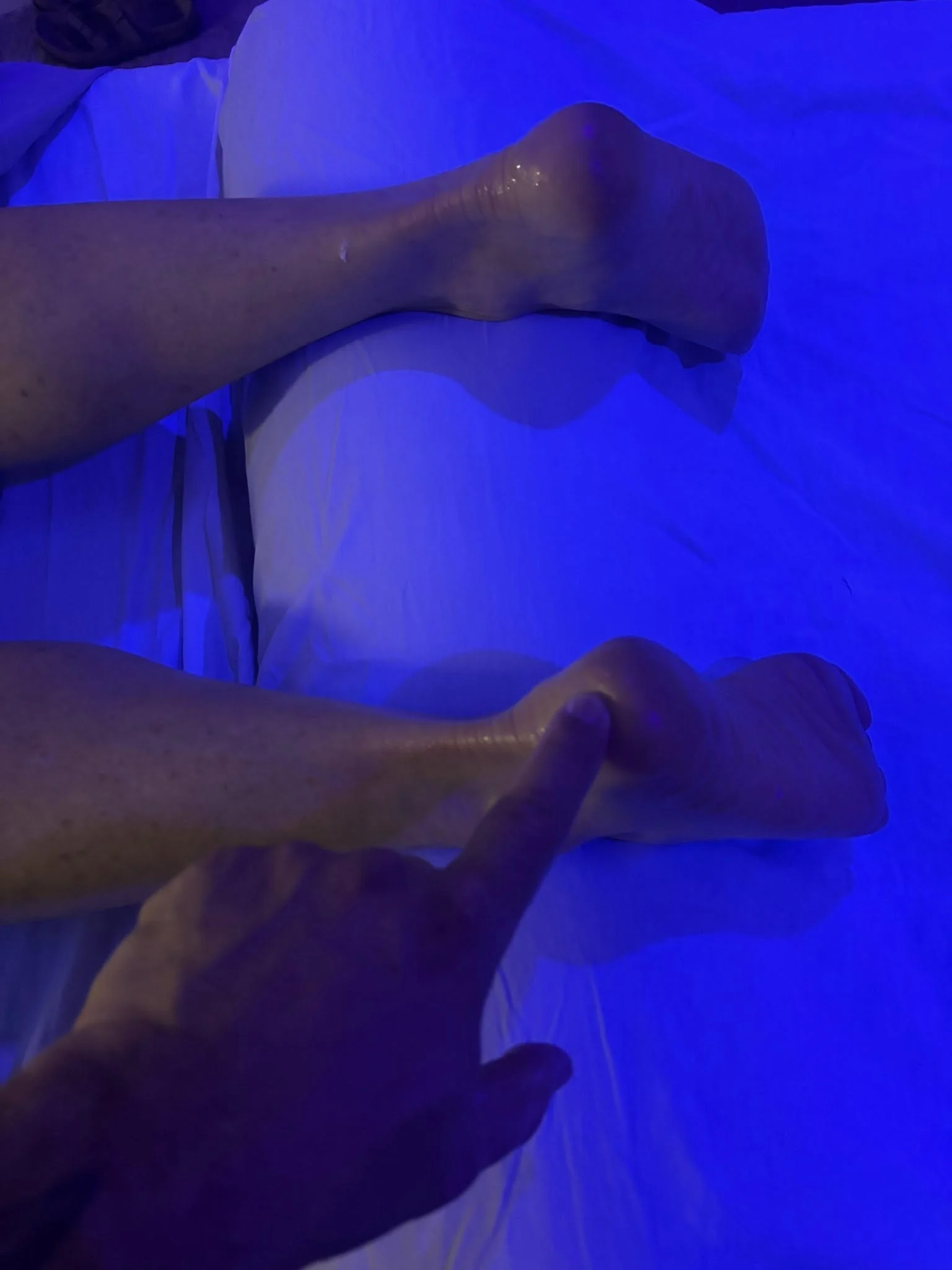
Careful, graded work through the plantar tissue, firm enough to matter, never punishing.
Ankle mobility
Stiff ankles send the bill to your heel.
Load & footwear habits
What you stand on and how long, the part of the plan that happens outside the room.
The heel is only one part of the chain.
Foot work stays connected to the calves and ankle mobility Chris found at the assessment. The goal isn't to punish the sore spot. It's to change what keeps loading it.
What we're working toward, in plain terms.
- Mornings without the hobble to the bathroom.
- Standing days that don't build toward an aching evening.
- Walking because you want to again, not calculating whether you'll pay.
Every one of these is checked against your own starting point, and that's what the re-test step is for.
This program fits - or it doesn't.
Not sure which side you're on? That's exactly what the assessment answers, and Chris will tell you straight, including if the answer is a doctor before a massage therapist.
Sudden, severe, or radiating symptoms, numbness, or weakness should be seen by a qualified healthcare provider first. Massage is not a substitute for medical care.
Briarcliff, Kansas City North.
Heel pain turns up in every corner of Kansas City North: nurses, teachers, servers, runners, and anyone standing on concrete all day. MMI is at 1201 NW Briarcliff Pkwy in Briarcliff, a short drive from Gladstone, Parkville, and Liberty. Most people book after months of trying inserts and stretching on their own.
Before you book.
What does this program cost?
$650 for the program, or two payments of $325 with no added fee. That's the intake and 30-minute massage, five focused visits, the between-visit work, and the re-test. Nothing gets added on partway through.
How many visits is it?
An intake and 30-minute massage, then five focused visits over roughly four to six weeks. If you're on your feet all day, Chris spaces them around your shifts. The re-test measures the same things checked at the start.
How is this different from a regular massage?
A regular massage works the foot that hurts. This looks beyond the sore foot at calf tension, ankle movement, and the rest of the lower-body pattern. Then it gets re-tested.
Do I need a plantar fasciitis diagnosis first?
No, but a diagnosis helps Chris plan. Heel pain has more than one cause, and some of them need a doctor rather than a massage therapist. If what Chris finds at the assessment points that direction, you'll hear it straight.
Make the first steps of the morning the easy ones Start with one visit.
Book the assessment. Leave knowing what Chris observed and whether this program fits your next step, with no package commitment to find out.
Book your assessment